01 / 08
HUGO.CHARMIES(1)
PRODUCTION
$ hugo --whoami
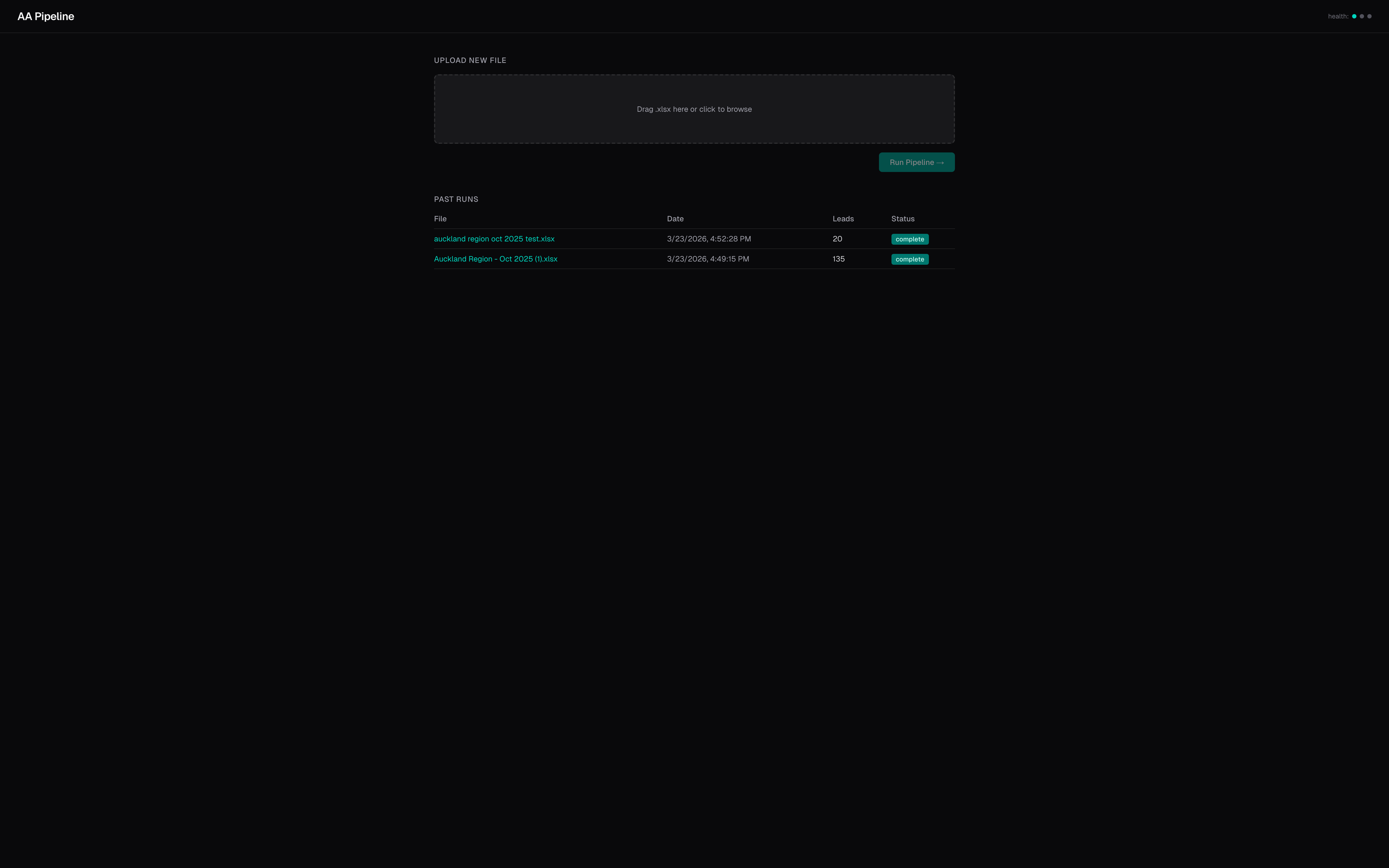
Full stack developer in Belgium. I build internal tools that replace manual and paper-based work, most recently at Vanwezel Autoparts.
$ hugo --status
status         : ● Open to full stack roles
location       : Limburg · Belgium
daily_driver   : Claude Code
favourite_stack: Next.js · Postgres
$
$ hugo --now
$ hugo --featured

$ hugo --stack
AI
────────────
FULL STACK
────────────
INFRA & TOOLS
────────────
$ hugo --origin
I studied Applied Computer Science in Leuven. For a school project, a client needed indicators scraped from the web, which was all manual work. I automated it with an AI model and saw how much faster you can build now.
Since then I build with AI coding tools like Claude Code, and I test and review what they produce. What I like most is finding a slow process and replacing it with a small app.
EDUCATION
UC Leuven Limburg
BSc Applied Computer Science · 2022–2025
FIRST AI PROJECT
Ecofoodmap · n8n → code-native
WAY OF WORKING
Claude Code, then test and review
$ hugo --archive
$ hugo --contact
$ open ~/projects/aa-pipeline
HUGO.AA(1)
STACK
Next.js · Drizzle · SerpAPI · Cheerio · LLM scoring + briefs
01 / 04
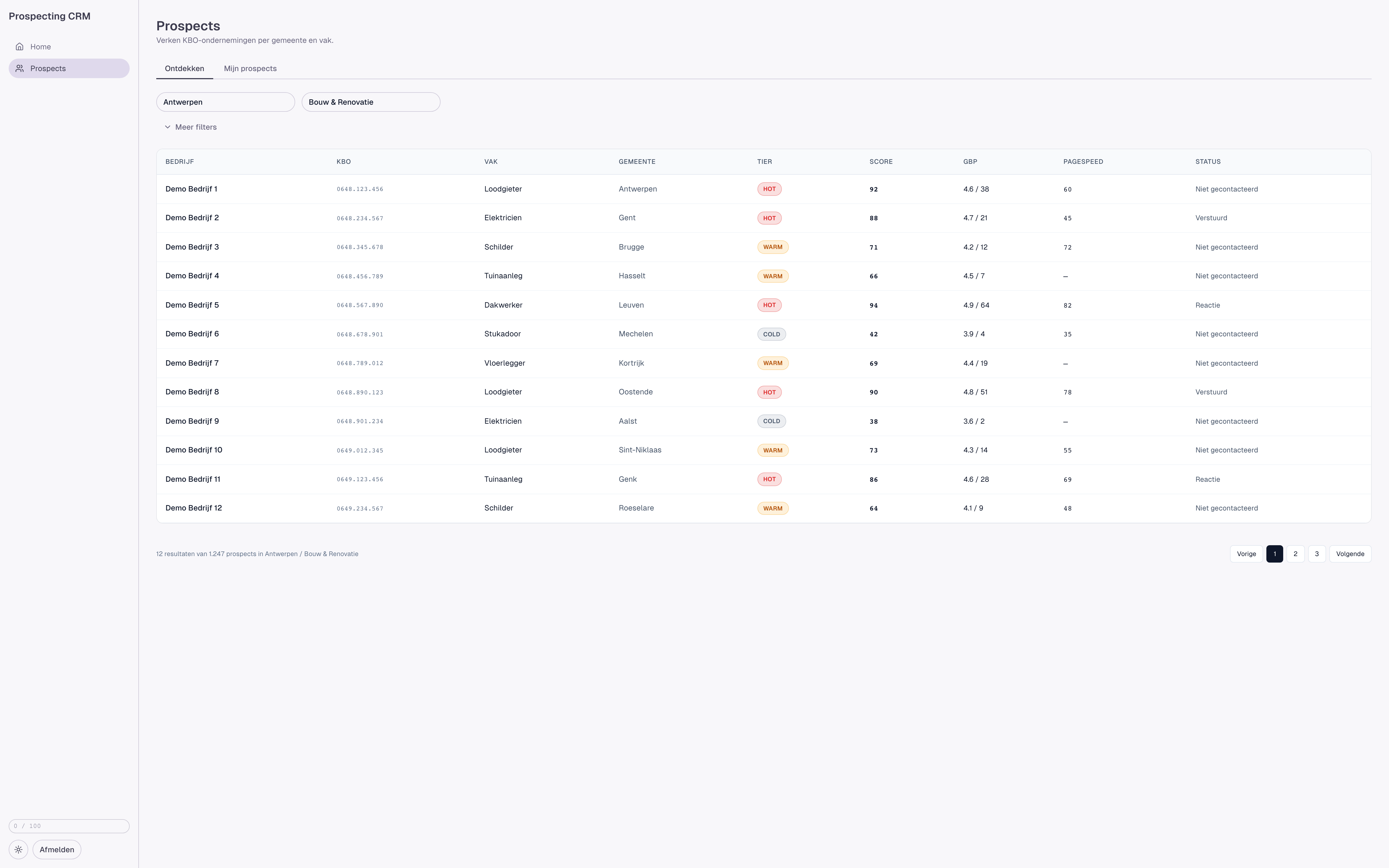
The brief. An audio-visual integrator wanted to stop reading building permits by hand. Every new commercial building is a potential AV install. Their team was Googling permits one by one, looking up owners, scoring fit, and writing short notes for sales. A friend on exchange interned there, brought the problem back, we pitched a pipeline.
02 / 04
What the pipeline does. Ingests publicly-available building consent data, identifies the people on each project (owners, contractors, architects), enriches each entity with a search + scrape pass, scores fit for AV work based on building type and signals in the permit text, and writes a short sales brief per lead. Five layers, composable, each layer is independently testable.
03 / 04
The architectural choices. Multi-source enrichment is the 2026 staple skill, LLM + search + scrape + dedupe + score. The interesting bits: SerpAPI for the search head, Cheerio for targeted page extraction, Fuse.js for entity deduplication across sources, Zod schemas as the contract between layers so each pipeline stage can be swapped or rerun independently. Local Ollama in dev to avoid an API bill during iteration, API-backed in production.
04 / 04
Status, honestly. Prototype shipped internally, not yet handed to the client. We paused when Kompass moved into investor conversations and took priority. A real engineer juggles three projects and makes a resource call. This was that call. The pipeline itself is the artifact.
SCREENSHOTS
$ Open to resuming once Kompass settles into its pivot.